
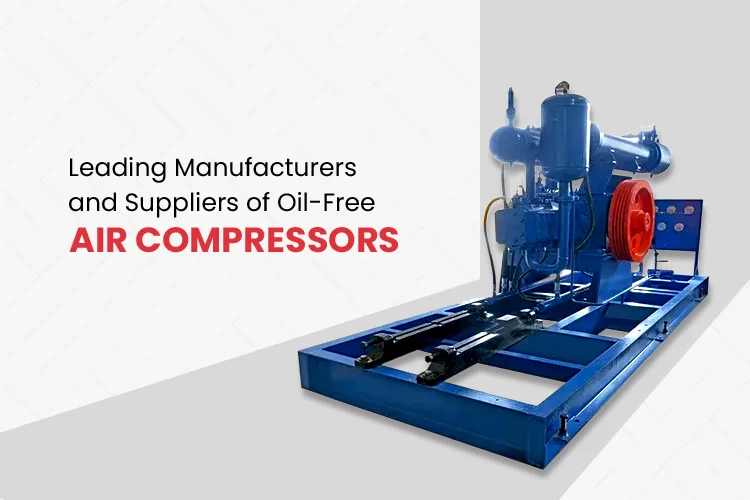
About Maharani Industrial Equipments Private Limited
Maharani Industrial Equipments Private Limited (hereafter “Maharani Equipments”) is a Delhi-based industrial engineering company specializing in compressors, dryer systems, heat exchangers, pressure vessels, and related spares and accessories. Its roots go back over three decades in the compressor and allied equipment sector, and it has built a reputation in India as a manufacturer, supplier, and service provider across multiple industrial domains.
Maharani is formally registered as a non-government private company in India. Its corporate identification number (CIN) is U74899DL1999PTC097999, with incorporation date 20 January 1999. Its registered office is located atB-15, SN Colony, Nirankari Colony, Mukherjee Nagar, New Delhi, Delhi, 110009.
Maharani’s business spans manufacturing, sales, exports, and after-sales servicing of industrial compressed air systems, dryer units, heat exchangers, pressure vessels, and spare parts. It positions itself as a specialist in oil-free compressors and related industrial solutions.
Vision, Mission, and Manufacturing Excellence
Maharani’s guiding principles center on delivering reliable, high-quality industrial equipment that meets or exceeds standards of purity, efficiency, and durability. (While the website does not explicitly state formal “vision” and “mission” statements, its brand messaging emphasizes “quality service,” “industry excellence,” and being “experts in air compressors, dryers & heat exchangers.”)
The company stresses manufacturing excellence through rigorous quality control, use of genuine spare parts, adherence to standards (such as those required for clean air delivery), and continual servicing support. Its decades in the industry underscore an evolution toward more advanced technologies (e.g. oil-free screw compressors) and a broad product portfolio to address diverse industrial needs.
Core Industrial Offerings and Market Presence
Maharani’s core offerings fall into several categories:
- Air compressors (including portable compressors, reciprocating compressors, screw compressors, oil-free compressors)
- Dryer systems (refrigerated dryers, desiccant dryers)
- Heat exchangers (shell & tube, plate & frame, other designs)
- Pressure vessels and related industrial vessels (autoclave pressure vessels, air receivers, reactors)
- Spares, accessories, and maintenance services (filters, valves, compressor tools)
In India, Maharani serves industries such as pharmaceuticals, food & beverage, electronics, chemical, and general manufacturing. It also exports equipment and spare parts to other countries, leveraging its capabilities and certifications.
Over its operational span of more than 36 years (as of 2025) as a provider of compressor parts and accessories, Maharani claims to have built substantial domain expertise.
2. Understanding Oil-Free Screw Compressors
What Makes Screw Compressors Oil-Free
A screw compressor employs two helical rotors (male and female) that mesh to compress air through the reduction of volume as air moves along the interlobe space. In an oil-free design, the internal compression chamber and rotor surfaces operate without oil lubrication. Instead, the rotors run with tight tolerances, special coatings, or alternative materials (e.g., self-lubricating coatings or dry materials) to minimize friction and leakage, while seals and stages ensure no oil enters the compressed air stream.
In contrast to oil-flooded screw compressors (which use oil for lubrication, sealing, and cooling), oil-free screw compressors maintain a clean air path with no possibility of oil contamination in the output. This purity is critical where air quality is essential.
Key Applications in Industrial Environments
Industries and processes that require contamination-free compressed air often adopt oil-free screw compressors. Typical application sectors include:
- Pharmaceutical manufacturing
- Food and beverage processing
- Electronics and semiconductor plants
- Biotechnology and cleanroom operations
- Chemical, medical, and laboratory environments
- Precision pneumatic instruments and devices
In these contexts, the compressed air must meet strict purity standards (e.g. ISO 8573-1 Class 0) to protect product quality, prevent contamination, and comply with regulatory hygiene or sterility requirements.
Why Choose Oil-Free Technology
The advantages of oil-free technology include:
- 100% pure air output — there is no risk of oil carryover, making it suitable for sensitive applications
- Reduced contamination risks — no oil in the compressed air means minimal risk of damaging downstream equipment or processes
- Lower inspection and purification costs — absence of oil simplifies filtration and safeguards
- Regulatory compliance — meets or can meet stringent standards for purity (e.g. ISO 8573-1)
- Reputation and trust — industries demanding clean air prefer suppliers offering oil-free solutions
While oil-free compressors may involve higher capital cost or precise engineering, in many applications the operational assurance and quality benefits outweigh those costs.
3. How Do Oil-Free Air Compressors Work?
Step-by-Step Working Mechanism
The operation of an oil-free screw air compressor can be described in sequential steps:
- Air Intake: Ambient air enters the compressor through an air filter or intake element to remove dust and particulates.
First Stage Compression: The twin rotors rotate, driving air into the interlobe space; the air volume decreases, causing pressure to rise.
- Intermediate Stage (if multi-stage): In multi-stage designs, air passes to subsequent compression stages to further raise pressure.
- Cooling (if staged): In designs with inter-stage cooling, air is cooled to reduce temperature and volume for more efficient next stage compression.
- Final Compression: Air reaches target pressure in final rotor section, then discharges through the outlet.
- Discharge: Clean, compressed air is routed through filters and delivered to downstream systems.
Because no oil is used in the compression chamber, the sealing and rotor tolerances must be tightly controlled to minimize internal leakage and inefficiencies.
Air Compression Cycle Explained
At its core, the air compression cycle in a screw compressor approximates an isothermal or adiabatic compression, in which:
- Intake phase: pressure is near ambient, volume at maximum
- Compression phase: volume decreases steadily as rotors mesh, pressure increases
- Discharge phase: pressure differential forces air out into the output stream
Energy input (mechanical work from the motor) overcomes compression losses and friction, producing the pressurized air output.
Role of Air Compressor Filter and Air Compressor Valve
- Air Compressor Filter: The intake air filter removes dust, dirt, and particles from ambient air before it enters the compression chamber. Clean intake air prevents wear, reduces maintenance, and ensures the purity of output air.
- Air Compressor Valve: Valves (such as check valves, inlet/outlet valves, unloader valves) regulate airflow direction, prevent backflow, and manage pressure dynamics. In oil-free systems, valves must support pure air delivery without leakage or contamination.
4. Working Mechanism of Oil-Free Air Compressors
Function of Rotary Screw Compressor Design
In the rotary screw configuration, two rotors (male and female) rotate in opposite directions. Their geometric profile creates air pockets. As they spin, these pockets progressively shrink, compressing the trapped air. Because the surfaces do not use liquid lubricant, special materials or coatings, tight clearances, and precision manufacture are required to maintain sealing between rotor lobes.
Rotary screw design is continuous (non-pulsating), offering smoother flow compared to reciprocating compressors. The design is especially well suited for steady demand and high-power ranges.
Operation of Air Compressor Motor and Air Compressor Head
- Electric Motor (Air Compressor Motor): The motor drives the two rotors. In modern systems, motors may include variable frequency drives (VFDs) to regulate speed according to demand, improving efficiency.
- Compressor Head (Air Compressor Head): The compressor head houses the rotor assembly, bearings, and internal clearances. It is the core mechanical section where compression occurs. In oil-free models, it must be precisely engineered so rotor surfaces maintain performance without lubrication.
The motor and compressor head must align in coupling, stiffness, balance, and thermal behavior to avoid mechanical stress or inefficiencies.
Importance of Air Compressor Safety Valve and Check Valve
- Safety Valve: Protects against overpressure conditions by releasing air if pressure exceeds the safe limit. This ensures safe operation and protects equipment.
- Check Valve: Prevents backflow of compressed air from the system into the compressor or intake side. It protects the compressor from reverse flows that could damage internal parts or interfere with pressure stability.
Careful design and maintenance of these valves is crucial to ensure safety, reliability, and pure output in industrial contexts.
5. Oil vs. Oil-Free Compressors: Clean Air or Power?
Differences Between Oil and Oil-Free Models
Oil-flooded compressors use oil inside the compression chamber for lubrication, sealing, and cooling. Some oil may carry over into the compressed air, so filtration is required. They tend to be simpler, more forgiving in tolerances, and generally lower cost in capital terms.
Oil-free compressors avoid oil entirely in the compression chamber. The internal surfaces are engineered to manage friction without liquid lubricant. This requires tighter tolerances, advanced materials, and precise manufacturing. The result is a guaranteed oil-free output suitable for sensitive industrial uses.
Efficiency, Maintenance, and Output Quality
- Efficiency: Oil-flooded designs may benefit from internal heat transfer via oil, but oil management and filtration losses reduce net efficiency. Oil-free designs may have slightly higher friction losses but avoid filtration losses.
- Maintenance: Oil-flooded compressors require regular oil changes, oil filters, and separation systems. Oil-free compressors avoid oil changes but demand tighter inspections and precision part maintenance.
- Output Quality: The key differentiator is output purity: oil-free compressors deliver truly oil-free air (assuming proper design and maintenance), while oil-flooded compressors inherently risk oil trace contamination unless complex purification steps are used.
In many industrial settings, the additional cost of oil-free compressors is justified by reduced risk, lower purification costs downstream, and compliance with industry standards.
6. Oil Vs. Oil-Free Industrial Air Compressors
Applications in Food, Pharma, and Electronics Industries
In food, pharmaceutical, and electronics manufacturing, compressed air often contacts packaged goods or critical process atmospheres. In such cases:
- Oil-free air prevents contamination of consumables, drugs, or sensitive electronic components.
- Downstream filtration stages may itself be costly; starting with oil-free air reduces dependency on expensive purification systems.
- Many regulatory or quality standards in pharma or food require air with no detectable oil.
Thus, in these sectors oil-free compressors are usually preferred or mandated.
Cost Implications and Long-Term ROI
Though oil-free compressors often carry higher upfront cost, over years they can result in lower total cost of ownership via:
- Reduced cost of downstream filters, coalescing systems, and their maintenance
- Lower risk of product contamination or spoilage (which carries high cost consequences)
- Compliance with regulation (avoiding penalties, rejections)
- Longer intervals between major overhauls when parts are genuine and maintained properly
Thus the ROI often becomes Favorable in stringent industries.
Case Comparison with Industry Standards
Industry standards such as ISO 8573-1 define classes of air purity (Class 0, 1, 2, etc.). Only oil-free compressors can confidently meet Class 0 for zero oil content. Buyers in sectors bound by these standards tend to choose equipment capable of meeting the highest purity levels. Maharani positions certain compressor lines to satisfy these standards (described below).
Comparisons of energy usage, lifecycle maintenance, and contamination risk often tilt in Favor of oil-free systems in regulated industries.
7. Diagram of Air Compressor Parts
Labelled Diagram of Key Components
(A graphical diagram should be inserted. The diagram would typically include the following labeled components: rotor pair, bearings, inlet filter, inlet valve, check valve, safety valve, unloader valve, coupling, motor, air end, discharge port, oil separator (if applicable), cooling elements, drain valves, instrumentation.)
Function of Compressor Accessories and Compressor Filter
Key accessories in a compressor system include:
- Filter (intake & discharge): Removes particulate matter; discharge filters may remove moisture or any contaminants
- Valves (inlet, outlet, check, safety, unloader): Control airflow direction, regulate pressure, and protect against unsafe conditions
- Couplings and drives: Transfer motor power to the compressor head with alignment and vibration tolerance
- Instrumentation (pressure gauges, temperature sensors, flow meters): Monitor system performance
- Drain valves / automatic drains: Remove condensate or moisture from the system
- Interconnect piping and silencers: Ensure smooth fluid flow and noise control
Understanding the Air Flow and Pressure Path
The path of air and pressure through the compressor system typically follows:
- Ambient air → intake filter
- Inlet valve → rotor compression stages
- Interstage cooling (if multi-stage)
- Final compression → discharge port
- Discharge filter / valves → system pipeline
At each stage, pressure increases, volume decreases, and temperature rises. Accessories and valves manage flow direction, safety, and maintain purity.
8. Air Compressor Parts List
Comprehensive List of Air Compressor Spare Parts
A typical list of spare parts for compressors includes:
- Intake filters
- Air filters / dust filters
- Valves (inlet, outlet, check, safety, unloader)
- Gaskets and seals
- Bearings
- Rotor assemblies / airends
- Couplings and shafts
- Motor components (brushes, windings, starters)
- Pressure switches / sensors
- Control panels / circuit boards
- Drain valves and automatic drains
- Screw compressor spares (e.g. timing gears, seals)
- Lubrication system parts (if in oil-flooded)
- Cooling fans, heat exchanger parts
Overview of Compressor Spares and Compressor Tools
Beyond spare parts, maintenance or repair often requires tools such as:
- Torque wrenches
- Aligners and coupling alignment tools
- Bearing pullers
- Seal presses
- Cleaning and inspection kits
- Instrumentation test devices (pressure gauges, flow meters)
- Lapping or honing tools (for seals)
These tools and spares, when sourced properly, enable effective servicing and minimize downtime.
Genuine vs. Non-Genuine Parts
- Genuine (OEM) parts are manufactured to original design tolerances, using specified materials and quality control processes.
- Non-genuine (aftermarket) parts may be cheaper but risk lower tolerance or substandard materials.
Use of non-OEM parts may lead to reduced performance, increased wear, leaks, or contamination. For applications demanding purity (oil-free), compromise in parts quality can be severely damaging. Maharani emphasizes availability of genuine spares and components through authorized channels.
9. Why Use Genuine Spares in an Air Compressor
Performance Benefits of Original Parts
- Maintained design clearances and tolerances ensure optimal efficiency
- Correct materials and coatings preserve sealing, friction control, and longevity
- Better compatibility with existing system components
- Consistent performance and reliability under varying load conditions
Risks of Using Non-OEM Compressor Parts
- Increased leakage or loss of compression efficiency
- Higher wear, leading to earlier breakdowns
- Risk of contamination (especially in oil-free systems)
- Voiding of warranties or guarantees
- Unexpected downtime or safety failures
Availability from Authorized Dealers, Suppliers, and Exporters
Maharani facilitates authorized supply of genuine compressor parts, components, and spares through its dealer network, supply chain partners, or direct export operations. It positions itself as a supplier and exporter of original compressor spares, ensuring authenticity and compatibility.
This ensures customers have reliable access to parts, reducing the incentive to adopt cheap, substandard substitutes.
10. Maintaining Oil-Free Air Compressor Parts
Regular Cleaning and Inspection Schedule
A routine maintenance schedule may include:
- Daily visual checks: gauges, leaks, noise
- Weekly inspection: filters, drain valves, connections
- Monthly tasks: clean filters, test safety valve, check instrument calibration
- Quarterly checks: inspection of rotor clearances, bearing lubrication, alignment
- Annual overhaul: complete teardown, cleaning, parts replacement
Timely maintenance helps avoid failures and preserve performance.
Air Compressor Unloader Valve and Automatic Drain Valve Maintenance
- Unloader Valve: This valve relieves compressed air from the system during startup or shutdown, ensuring the compressor doesn’t stall. Maintain by periodically testing, cleaning or replacing components.
- Automatic Drain Valve: Removes condensate or accumulated moisture; ensure it functions reliably and does not leak or jam. Clean or replace as necessary.
Failing these valves can lead to pressure holds, moisture buildup, or mechanical stress.
Common Issues and Troubleshooting Techniques
Frequent problems and remedies include:
- Leakage or pressure drop: Check seals, gaskets, valves
- Noise or vibration: Inspect bearings, alignment, rotor balance
- Overheating: Ensure cooling paths, heat exchangers, ventilation
- Valve malfunction: Clean or replace inlet/outlet/unloader valves
- Sensor or control error: Calibrate pressure or temperature sensors
Regular monitoring of pressure, temperature, and vibration can catch issues early.
11. Oil-Free Air Compressor Maintenance Tips: How to Keep It Running Well?
Routine Checks and Replacement Intervals
- Replace intake filters as soon as pressure drop increases
- Inspect and test safety and check valves periodically
- Monitor rotor clearance and wear; replace when out of tolerance
- Keep drains and piping clear
- Ensure electrical components and motor are in good order
- Maintain alignment and coupling integrity
Air Compressor Cut Off Switch and Safety Protocols
A cut-off switch stops the compressor in fault conditions (overpressure, overcurrent, overheating). It must be tested and maintained regularly. Safety protocols (lockout/tagout, safe start procedures, pressure relief) should be strictly followed.
Best Practices for Long-Term Reliability
- Use only genuine parts
- Keep records of all maintenance
- Train operators in correct procedures
- Avoid overload or operation beyond rated duty cycles
- Monitor trends (vibration, pressure, temperature) to detect early deviations
12. Oil-Free Air Compressor Maintenance Guide
Step-by-Step Servicing Process
- Shutdown and depressurize system
- Remove covers and inspect rotor/micromechanical elements
- Clean all internal surfaces
- Check rotor clearances, replace seals or gaskets
- Inspect and service valves, filters, drains
- Lubricate bearings or motor components (if applicable)
- Reassemble with proper torque and alignment
- Pressure test and validate safety devices
- Monitor performance (noise, vibration, flow, pressure, temperature)
Recommended Compressor Spare Parts and Tools
Use gasket kits, rotor seal kits, valve replacement sets, bearings, filter elements, instrument sensors, coupling kits. Tools include torque wrenches, alignment jigs, sensor testers, cleaning kits, and leak detection devices.
When to Book Professional Maintenance Services
Major overhauls, rotor replacement, or deep internal servicing should be done by qualified service providers (often the OEM or authorized partner) to ensure precision and avoid warranty issues.
13. What Are the Benefits of an Oil-Free Air Compressor?
100% Pure Air Output and Environmental Advantages
Oil-free compressors deliver air without trace oil, which protects product quality and meets regulatory standards. There is no oil disposal concern, reducing environmental burden.
Reduced Downtime and Noise Levels (Silent Air Compressor Advantage)
Many modern oil-free designs are quieter since they avoid oil pump noise or external oil handling systems. Also, fewer contamination issues and simpler downstream filtration reduce associated downtime.
Energy Efficiency with Modern Compressor Technology
Integrated controls, variable speed drives, and engineered rotor profiles improve energy usage per unit compressed air. Given the purity advantages, the net efficiency often justifies the design.
14. Best Class Zero Oil Free Compressors for 100% Pure Air
ISO 8573-1 Class 0 Certification Explained
ISO 8573-1 defines classes of compressed air purity: Class 0 means no detectable oil (trace, aerosol, or vapor), as certified by a third party. Only compressors designed and tested to ensure zero oil carryover qualify.
Leading Models Offered by Maharani Industrial Equipments
Maharani offers Class Zero oil-free screw compressor models engineered to meet highest purity requirements. (Exact model names/configurations can be drawn from their catalogue or website.)
These models are targeted at applications in pharmaceutical, food, electronics, and other industries where pure air is essential.
Ideal Uses in Cleanroom and Pharma Manufacturing
In pharmaceutical and cleanroom environments, contaminants must be minimized. Class 0 oil-free compressors ensure air purity in processes such as inhalation drug formulation, sterile filling, laboratory instruments, and packaging.
15. Oil Free Rotary Screw Air Compressors
Key Features and Technical Specifications
Typical features include:
- Twin screw rotor assembly
- High precision tolerances
- Special dry coatings or materials
- Built-in inlet/outlet valves
- Control panel and safety systems
- Optional VFD drive for modulation
- Sound enclosures or silencers
Specifications vary in power rating (kW or HP), flow rate (m³/min or CFM), outlet pressure (bar or psi), and duty cycle.
About us-Maharani Industrial Equipments
Summary of Benefits and Success Factors
Maharani Industrial Equipments Private Limited has built a broad portfolio across compressors, dryers, heat exchangers, vessels, and spare parts. Its specialization in oil-free and Class 0 purity technology addresses high-demand segments like pharma, food, and electronics. Its emphasis on genuine spares, service support, and export capability strengthens its market position.
Why Choose Maharani Industrial Equipments Private Limited
- Decades of experience and domain specialization
- Ability to deliver oil-free compressors meeting strict purity standards
- Comprehensive product range (compressors, dryers, vessels, spares)
- After-sales service, maintenance, and spare parts network
- Export readiness and credibility
Maharani invites industrial users seeking reliable, contamination-free compressed air systems to engage with its sales or service teams. Its focus on performance, authenticity, and support makes it a viable partner in demanding industrial environments.
Contact us
Connect with at by visiting our Official Website at www.maharaniequipments.com or Fill our Contact us Form to connect with our Executives.