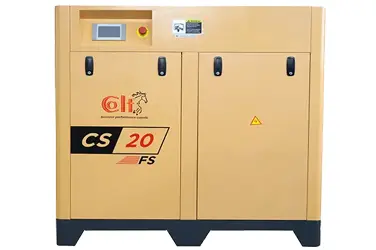
Ammonia Reciprocating Compressor
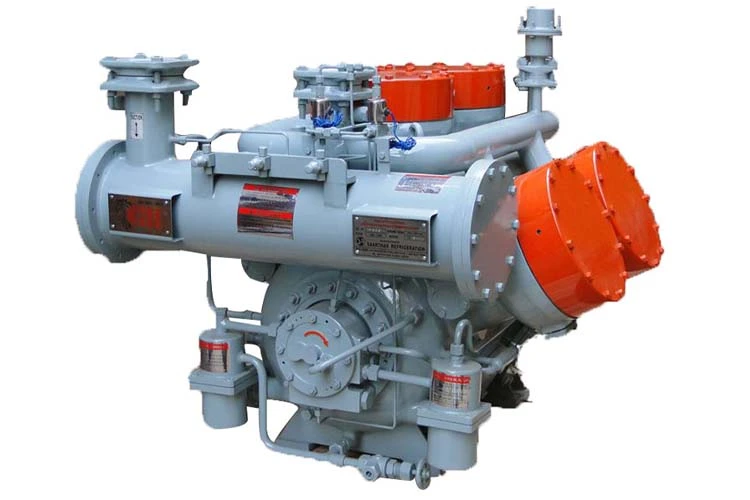

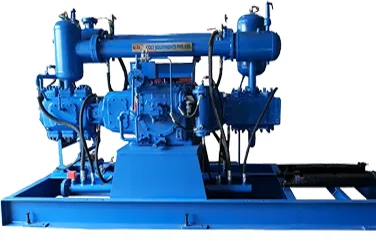
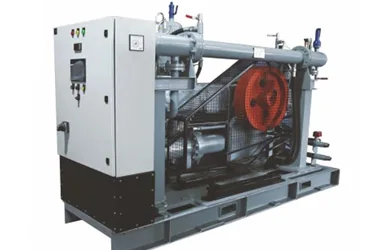
An Ammonia Reciprocating Compressor is a heavy duty industrial compressor designed to compress ammonia refrigerant for large scale cooling systems used in cold storage, food processing, and chemical plants. It operates using piston driven compression, making it suitable for high pressure and low temperature environments where system reliability directly impacts production continuity.
Maharani Industrial Equipments Private Limited, with its manufacturing base in Delhi, supports industries across India with ammonia compressor solutions backed by spare parts supply, repair services, and reconditioning capabilities. The focus is not limited to supplying compressors but ensuring long term operational continuity through maintenance, overhaul, and component support.
In real operations, this compressor becomes the backbone of refrigeration cycles where even a short failure can disrupt storage integrity, product quality, and plant output.
What is Ammonia Reciprocating Compressor
An Ammonia Reciprocating Compressor is a piston based compressor used in refrigeration systems where ammonia is compressed to circulate through evaporators and condensers for cooling processes. It is widely used in industrial refrigeration where consistent pressure control and durability are required.
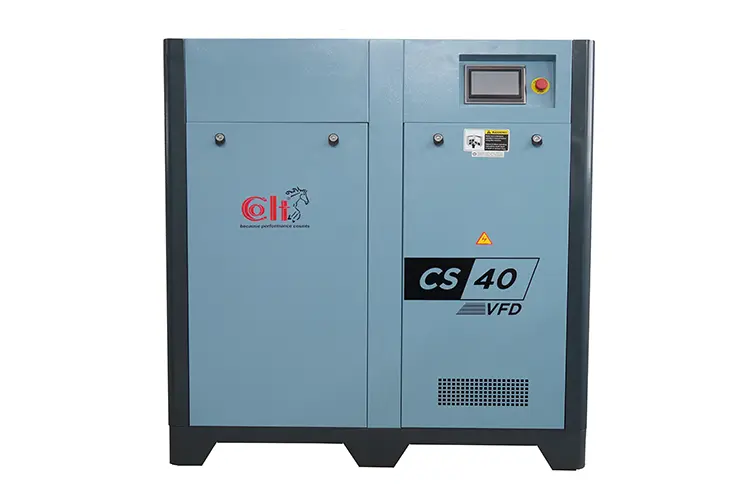
Unlike rotary compressors, reciprocating systems handle fluctuating loads more effectively. In food processing or cold storage facilities, temperature variations can affect product quality. These compressors respond better to load changes and maintain pressure stability, which directly impacts cooling efficiency and system reliability.
Applications in Real Industrial Use
In actual plant conditions, ammonia compressors are rarely running in ideal environments. They deal with load fluctuations, varying suction pressures, and long operational hours.
Typical use scenarios include:
- Cold storage facilities where maintaining temperature consistency prevents spoilage
- Ice plants where continuous cooling cycles are required without interruption
- Dairy processing units where refrigeration directly impacts product shelf life
- Chemical plants where process cooling is linked to production stability
- Food processing lines where downtime can halt entire operations
A failure in any of these setups does not just stop cooling. It leads to production loss, product damage, and operational stress.
Industries Using Ammonia Reciprocating Compressor
These compressors are used where refrigeration is not optional but critical to operations.
- Food and beverage industry for storage and processing
- Dairy plants for milk chilling and product preservation
- Chemical industry for process cooling systems
- Ice manufacturing units for continuous freezing cycles
- Pharmaceutical units where temperature control affects product integrity
- Cold chain logistics supporting perishable goods movement
- Meat and seafood processing units requiring strict temperature control
In each of these industries, even minor inefficiencies in compression can lead to measurable losses.
Technical Considerations and Performance Factors
Selection and performance of an Ammonia Reciprocating Compressor depend on actual operating conditions rather than catalog specifications.
Key factors include:
- Suction and discharge pressure conditions
- Ammonia purity and contamination levels
- Cooling load fluctuations across shifts
- Ambient temperature affecting condenser performance
- Cylinder wear and valve efficiency over time
- Lubrication system condition
In many plants, compressors fail not due to design limitations but due to improper operating conditions or neglected maintenance.
Product Specifications Overview
Specifications vary based on application and system requirements.
Typical parameters include:
- Capacity range based on refrigeration load
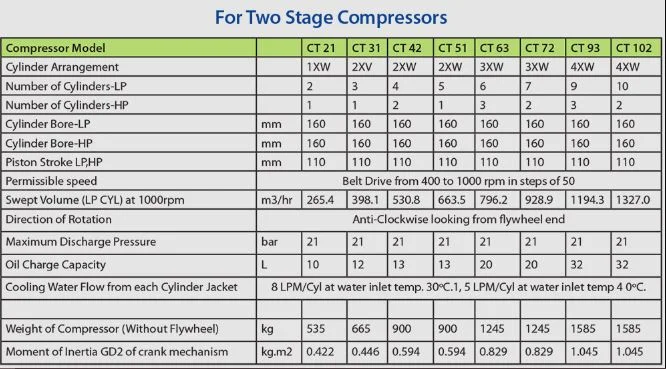
- Number of cylinders and stages
- Power consumption based on duty cycle
- Cooling capacity under different load conditions
- Material compatibility with ammonia
- Valve design and piston configuration
Detailed specifications are usually finalized after evaluating plant load conditions and refrigeration system design.
How to Choose the Right Ammonia Reciprocating Compressor
Selecting the right compressor is not about capacity alone. It is about matching the compressor with actual plant behavior.
A correct selection ensures:
- Stable pressure across fluctuating loads
- Reduced wear on internal components
- Lower maintenance frequency
- Consistent cooling output
Key considerations:
- Actual cooling load instead of theoretical estimates
- Peak load versus average load conditions
- System design including evaporator and condenser efficiency
- Availability of spare parts and service support
- Future expansion requirements
Many buyers face issues because compressors are selected based on initial cost rather than long term operational fit.
Common Mistakes Buyers Make
Several recurring mistakes lead to operational inefficiencies:
- Oversizing compressors leading to inefficient cycling
- Ignoring ammonia quality and contamination risks
- Not considering spare parts availability
- Choosing suppliers without service support
- Delaying maintenance until failure occurs
These decisions usually result in higher downtime and increased repair costs.
When This Product May Not Be Suitable
An Ammonia Reciprocating Compressor is not ideal in every scenario.
Situations where alternatives may be better:
- Small scale applications with low cooling demand
- Facilities lacking ammonia handling safety systems
- Environments where continuous skilled supervision is not available
- Applications requiring compact and low maintenance solutions
In such cases, other refrigeration technologies may be more practical.
Installation, Maintenance and Service Support
Installation plays a major role in long term performance.
Key aspects:
- Proper alignment and foundation setup
- Correct piping layout to avoid pressure losses
- Safety compliance for ammonia handling
Maintenance requirements include:
- Regular inspection of valves and pistons
- Lubrication system monitoring
- Leak detection and ammonia handling checks
- Periodic overhaul during shutdown cycles
Maharani Industrial Equipments Private Limited provides installation support, maintenance services, and reconditioning solutions including cylinder re-sleeving and crankshaft repair.
Spare Parts and Lifecycle Support
Compressor reliability depends heavily on spare parts availability.
Support includes:
- Multi brand spare parts supply
- Replacement components compatible with Ingersoll Rand, Kirloskar Pneumatics, Elgi, and K.G. Khosla systems
- Valve assemblies, pistons, rings, and gaskets
- Heat exchangers, intercoolers, and oil coolers manufactured in house
Lifecycle support ensures that even older compressors remain operational without frequent replacements.
Why Businesses Choose Maharani Industrial Equipments Private Limited
Buyers often shift suppliers when they face repeated breakdowns without support.
What makes the difference:
- Manufacturing capability for critical components like heat exchangers and coolers
- Strong spare parts network for multiple compressor brands
- Repair and reconditioning expertise instead of forced replacement
- Pan India supply with quick dispatch capability
- Experience working with industries where downtime directly impacts revenue
Commercial and Pricing Considerations
Pricing depends on multiple practical factors:
- Compressor capacity and configuration
- Customization based on plant requirements
- Spare parts inclusion or exclusion
- Installation and service scope
- Urgency of delivery
Buyers should evaluate total lifecycle cost rather than initial purchase cost.
Common Buyer Concerns
Buyers typically worry about:
- Availability of spare parts during breakdown
- Time required for repair or overhaul
- Compatibility with existing systems
- Service support during emergencies
- Long term reliability under continuous load
These concerns are valid and often determine supplier selection.
FAQ
1. How quickly can an Ammonia Reciprocating Compressor be supplied during breakdown?
In breakdown situations, response time matters more than pricing. With available inventory and pan India logistics, urgent dispatch can be arranged. For critical failures, temporary solutions and spare support are also provided to restore operations quickly.
2. Can existing compressors be repaired instead of replaced?
Yes. Many compressors can be restored through reconditioning, including cylinder re-sleeving, crankshaft repair, and valve replacement. This significantly reduces capital expense and downtime compared to full replacement.
3. Are spare parts available for older compressor models?
Spare parts are available for multiple brands and legacy systems. Even if OEM parts are discontinued, compatible replacements can be supplied to keep the system operational.
4. What are the signs that a compressor needs overhaul?
Common indicators include pressure drop, overheating, unusual noise, reduced cooling efficiency, and increased power consumption. Ignoring these signs often leads to complete shutdown.
5. Is this compressor compatible with existing ammonia systems?
Yes. Compatibility depends on system configuration, but most industrial ammonia systems can integrate with reciprocating compressors with proper evaluation and adjustments.
6. Do you provide installation and AMC support?
Installation, maintenance, and annual maintenance contracts are available. This ensures consistent monitoring and reduces unexpected failures.
7. What industries require immediate compressor support?
Industries like cold storage, dairy, and food processing cannot afford downtime. In these sectors, even a few hours of failure can lead to product loss and operational disruption.
Get Ammonia Reciprocating Compressor for Your Business
If your plant is facing performance issues, pressure instability, or sudden breakdowns, immediate support becomes critical.
Maharani Industrial Equipments Private Limited, based in Delhi and supplying across India, provides:
- Fast response for urgent breakdown requirements
- Quick dispatch with pan India logistics
- Technical assistance for troubleshooting and selection
- Spare parts availability for multiple compressor brands
- Repair and reconditioning support for existing systems
For immediate assistance or enquiries Contact Us +91-9310745641 Today.
To Know more About Maharani Industrial Equipments Private visit About us page.
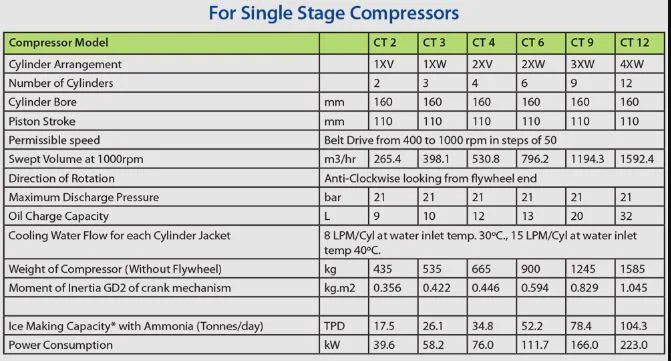
single Stage Compressor
Two Stage Compressor