
Shell & Tube Heat Exchangers in Sonipat
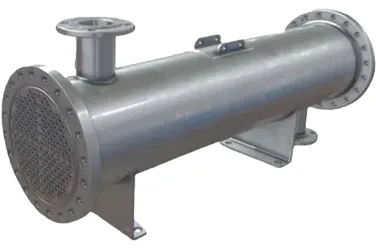
Industrial plants across Sonipat are facing a familiar challenge. Heat loads are increasing while process stability requirements are becoming tighter. This is where Shell & Tube Heat Exchangers in Sonipat become a critical part of operations, especially in continuous production environments.
Maharani Industrial Equipments manufactures these systems from its base in Delhi and supplies across India, including Sonipat. The focus is not just equipment delivery but full lifecycle support covering installation, repair, spare parts, and performance restoration.
Plants in Sonipat often operate under mixed industrial loads including food processing, packaging, and emerging manufacturing clusters. This creates fluctuating thermal demands, which require reliable heat transfer systems that can tolerate operational variation without frequent failure.
What are Shell & Tube Heat Exchangers in Sonipat Used For
Shell and tube heat exchangers are mechanical systems designed to transfer heat between two fluids without mixing them.
In Sonipat industries, these are commonly used when:
• Continuous cooling of compressor air is required
• Oil temperature needs to be controlled under heavy load
• Steam condensation must be stabilized for production lines
• Process fluid temperatures fluctuate across shifts
Unlike plate exchangers, these units are preferred where fouling, pressure variation, or mechanical stress is expected.
Industrial Applications in Sonipat
The demand for Shell & Tube Heat Exchangers in Sonipat is driven by practical plant-level problems rather than theoretical design choices.
Typical Use Cases
• Compressor aftercoolers in packaging plants
• Oil coolers in plastic molding units
• Heat recovery systems in food processing facilities
• Cooling systems in small scale chemical blending units
In many Sonipat units, the same exchanger handles varying load conditions across shifts. This makes robust tube design and proper flow distribution more important than just capacity sizing.
Industries Driving Demand in Sonipat
Sonipat has a mixed industrial base that creates diverse requirements:
• Food processing and agro-based industries
• Plastic and polymer manufacturing
• Light engineering and fabrication units
• Warehousing and packaging facilities
Each of these industries experiences different heat transfer challenges. For example, food units require hygienic design consideration, while plastic industries demand high oil cooling efficiency under continuous load.
Technical Factors That Impact Performance
Selecting Shell & Tube Heat Exchangers in Sonipat is not about size alone. It involves understanding operating realities.
Critical Factors
• Type of fluid on shell side and tube side
• Fouling tendency and cleaning frequency
• Flow rate variation across shifts
• Pressure drop limitations
• Material compatibility with process fluids
A common issue in Sonipat plants is underestimating fouling. When tubes get clogged, heat transfer drops, and compressors start overheating. This leads to higher maintenance cycles and unexpected shutdowns.
Configuration and Design Considerations
Instead of fixed specifications, selection depends on application context.
Design Variables
• Single pass or multi pass tube arrangement
• Removable tube bundle for maintenance access
• Horizontal or vertical installation
• Material options such as carbon steel, stainless steel, or copper alloys
In facilities where maintenance access is limited, removable bundles significantly reduce downtime during servicing.
How to Select the Right Shell & Tube Heat Exchangers in Sonipat
Selection errors often show up only after installation, when the system fails under real conditions.
Practical Selection Approach
• Map actual load instead of theoretical maximum
• Consider seasonal temperature variations in Sonipat
• Evaluate water quality used for cooling
• Check compatibility with existing compressor systems
If your plant uses compressors from Ingersoll Rand, Kirloskar Pneumatics, Elgi, or K.G. Khosla, compatibility in connection and flow design must be ensured.
Common Mistakes Buyers Make
Frequent Errors
• Oversizing without considering flow distribution
• Ignoring fouling and maintenance access
• Selecting wrong material for corrosive fluids
• Choosing based on price instead of lifecycle cost
One of the most expensive mistakes is selecting a unit that cannot be cleaned easily. In Sonipat, where water quality varies, this becomes a recurring issue.
When Shell & Tube Heat Exchangers May Not Be Suitable
These systems are not ideal in every scenario.
Avoid When
• Space is extremely limited
• Very low heat loads are involved
• Compact modular systems are required
In such cases, alternative heat exchangers may perform better.
Installation and On Site Service Support
Supply alone does not solve plant problems. Execution matters.
Maharani Industrial Equipments provides:
• Installation guidance and commissioning
• On site inspection and performance checks
• Repair and reconditioning services
• Annual maintenance support
For plants facing recurring overheating, root cause analysis is often more valuable than replacing the exchanger.
Spare Parts and Lifecycle Support
Heat exchangers require periodic servicing.
Available support includes:
• Tube bundle replacement
• Gasket and sealing components
• Shell modifications
• Retrofitting for improved performance
This is especially useful when older systems need to be adapted to new production loads.
Why Choose Maharani Industrial Equipments
Choosing a supplier is not just about buying equipment. It is about reducing operational risk.
What Sets Them Apart
• Manufacturing control from Delhi ensures quality consistency
• Experience across cement, pharma, steel, and processing industries
• Capability to support multiple compressor brands
• Strong focus on repair, not just replacement
Pricing Factors for Shell & Tube Heat Exchangers in Sonipat
Pricing varies based on application complexity.
Key Cost Drivers
• Material selection
• Size and configuration
• Pressure and temperature requirements
• Customization for existing systems
Lower upfront cost often leads to higher maintenance expenses. Buyers in Sonipat typically benefit from evaluating total operating cost instead of initial purchase price.
Buyer Concerns in Sonipat Industrial Setup
Real Concerns
• Will it handle fluctuating loads
• How quickly can it be serviced
• What happens during breakdown
• Is spare support available locally
These concerns are valid because downtime directly affects production output.
Supply and Delivery to Sonipat
Although manufacturing is based in Delhi, supply to Sonipat is streamlined.
Logistics Model
• Fast dispatch due to proximity
• Support for urgent breakdown requirements
• Coordination for installation timelines
For urgent requirements, response time is often a deciding factor.
Frequently Asked Questions
1. Where can I get Shell & Tube Heat Exchangers in Sonipat
You can source them from Maharani Industrial Equipments, which supplies from Delhi to Sonipat. They provide both manufacturing and full service support.
2. Who supplies Shell & Tube Heat Exchangers in Sonipat with installation support
Maharani Industrial Equipments supplies and also handles installation, commissioning, and maintenance support for industrial plants.
3. What industries in Sonipat use shell and tube heat exchangers
Food processing, plastics, packaging, and engineering units commonly use these systems for cooling and heat management.
4. Can you provide urgent supply during breakdown in Sonipat
Yes, urgent dispatch is possible due to proximity to Delhi. This helps reduce downtime in critical situations.
5. Do you provide repair and maintenance services
Yes, services include repair, reconditioning, tube replacement, and annual maintenance contracts.
6. Are these compatible with Ingersoll Rand or Kirloskar compressors
Yes, designs can be customized to match systems from Ingersoll Rand, Kirloskar Pneumatics, Elgi, and K.G. Khosla.
7. What factors affect pricing of shell and tube heat exchangers
Material, size, design complexity, and operating conditions are the main pricing factors.
8. How do I select the right heat exchanger for my plant
Selection depends on load conditions, fluid type, water quality, and maintenance access requirements.
Contact Maharani Industrial Equipments for:
Connect with Maharani Industrial Equipments for fast response, technical evaluation, and reliable supply across India.
• Quick requirement assessment
• Model recommendation
• Urgent supply support
• Service and repair assistance
For detailed product understanding, refer to our main Product page.
For immediate assistance or enquiries Contact Us Today.
To Know more About Maharani Industrial Equipments Private visit About us page.